


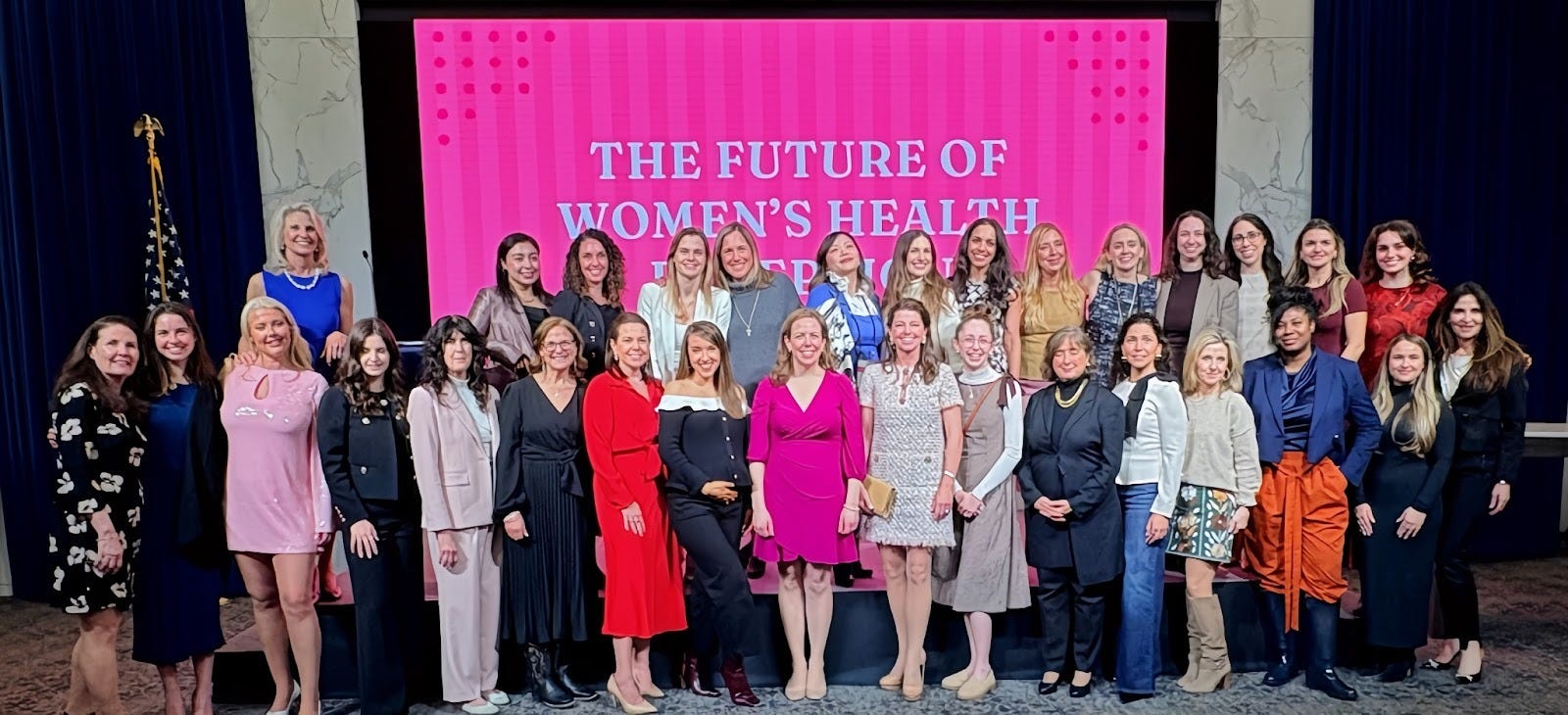
Several years ago I closed a deal to design and build the health plan for a publishing company headquartered in Manhattan. It was a mid-sized firm - about 1,200 employees - and the project would have been a multi-year engagement worth several million dollars. My company and a business partner’s company were teaming up to do the work. We had negotiated the terms, shaken hands, and the client’s lawyers were finishing the contract.
Then my business partner called. He was embarrassed - mortified, actually.
The client had called him - not me - and said they would move forward with the project only if I were removed from the team. Their lawyers had googled, and they didn’t like my views on “women’s health.”
This was interesting, because I didn’t actually have a public record on women’s health. What I had was a public record on abortion.
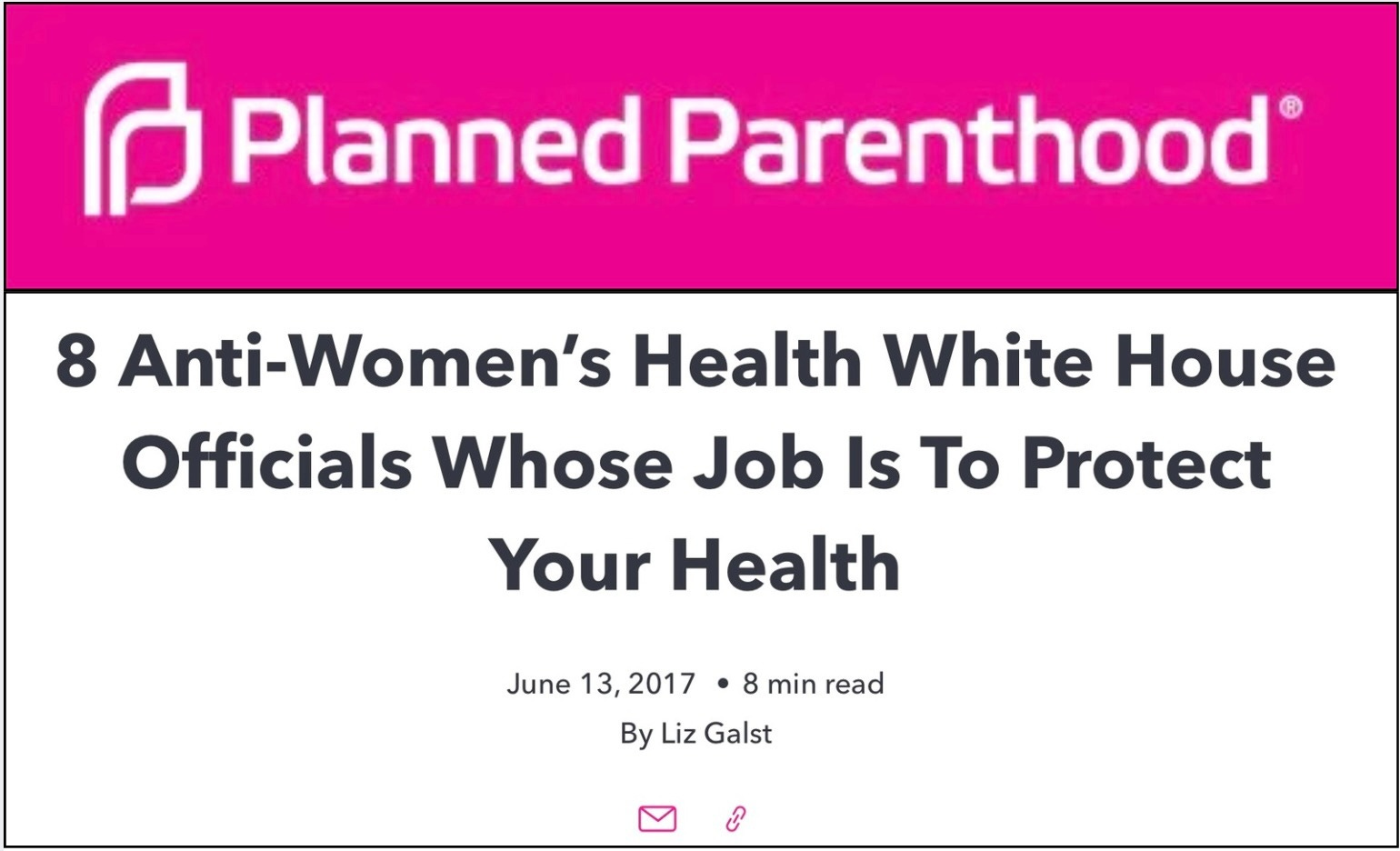
I had served as a health policy advisor to President Trump and to pro-life Senators before him. I had written and spoken openly about my pro-life views. I had helped defend the Little Sisters of the Poor when the Obama Administration tried to force them to buy birth control pills for their employees.
Apparently that was enough.
So I wrote a long letter to the woman who had been our main contact at the company. I explained all the ways my professional and personal life had served women and girls - from HIV/AIDS policy in foreign aid to anti-trafficking initiatives and inner city ministry with teen girls.
She never answered. The verdict had already been rendered. I was against “women’s health.”
Got it.
Women's Health™
For years, that phrase has functioned as a cowardly euphemism. It was the polite way to call pro-life women anti-woman. “Women’s health” became shorthand for exactly one thing: abortion. Well, that and its ugly step-child, hormonal contraception.
The vast mystery of the female body and mind - our hormones, metabolism, immune system, fertility, aging, and adaptations to environmental toxins or stressors - it was all shunted to the wayside. Women’s health = not being pregnant.
The most wondrous thing that women alone can do that men can’t, the most womanly thing we can do - carry and deliver a baby - had been defined as the central threat to women’s wellbeing. Preventing or terminating pregnancy was treated as the organizing principle of the entire field.
This narrowing didn’t just distort politics. It distorted the medical science. Entire areas of female biology were neglected, understudied, or dismissed while the debate over reproduction consumed the field.
That was then.
Something interesting is happening now.
It has been a banner year for women’s health. And by “women’s health,” of course, I mean, for once, women’s health.
The Estrogen Lie
Let’s start with the FDA’s dramatic reversal on hormone replacement therapy (HRT).
For more than twenty years women were warned - sternly and repeatedly - that estrogen was dangerous. (I mean, estrogen outside of a birth control pill, of course, which in that context is essential - ESSENTIAL - for women to be free. Or whatever.) Doctors delivered the message with the calm authority that accompanies “settled science.” Estrogen could cause breast cancer. It could cause strokes. It might cause heart disease. It might cause dementia. Women were told to avoid hormones unless the symptoms of menopause became absolutely unbearable. A black box warning - the FDA’s strongest alarm before pulling a product altogether - was placed on vaginal estrogen.
The obvious happened. Most women were gaslit and told their symptoms were normal - and were never even told their symptoms could be cured with HRT. Cured. Think about it - there are vanishingly few treatments in medicine that actually cure.
For women who were too “weak” to buck up through the hot flashes, insomnia, brain fog, joint pain, bone loss, mood swings, and the slow metabolic derailment that often accompanies menopause, an intrepid clinician might risk everything by prescribing the lowest possible dose for the shortest possible time.
This consensus was disseminated so confidently that few physicians stopped to question the originating evidence for it. Until Dr. Marty Makary wrote a book about the ways medical science has screwed up and killed people. His chapter on the unscientific defamation of HRT was devastating.
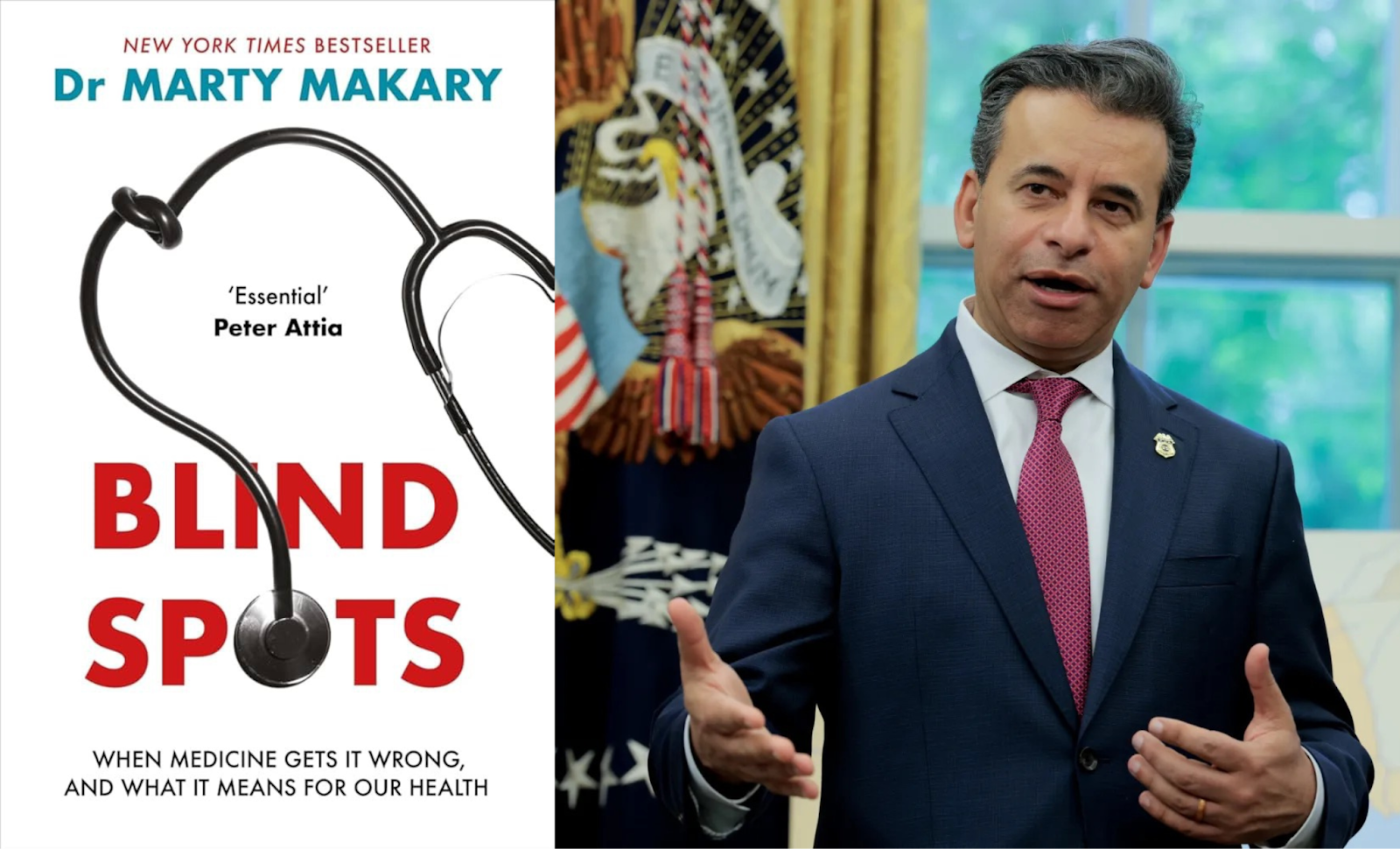
Now that Dr. Makary is FDA Commissioner, the agency recently convened an unprecedented roundtable on hormone replacement therapy and has finally pulled the black-box warnings that terrified two generations of women away from estrogen therapy. It was based on a press release written about a 2002 Women’s Health Initiative study, where the study didn’t find what the press release said it did - that estrogen therapy caused breast cancer and stroke. The lead investigator simply lied (as he admitted to Dr. Makary when interviewed for his book), because he truly believed the hypothesis that his study results had failed to validate. Several on the study’s author list dropped off, horrified at the gaslighting that would quickly spread like wildfire. Millions of women stopped taking what often feels like a miracle - almost overnight. Millions more were never even presented the option, and simply left to deal with the catastrophic consequences.
Commissioner Makary’s mom, as he tells it, was one of the victims of this religious dogma in practice. She suffered a painful fracture resulting from what was potentially preventable bone loss.
The episode should serve as a cautionary tale about scientific humility.
Medicine is extraordinarily good at projecting a confident authority that is usually undeserved and unfounded.
I’ll add one personal note here. I’m one of the women that needed to find a unicorn - an enlightened doctor - to prescribe enough HRT to actually produce the benefits it promises rather than the bare minimum to keep me from meltdown.
But the resurgence of HRT raises a larger question.
What Broke Our Hormones?
If a very large percentage of post-menopausal - and even perimenopausal - women need hormone replacement, what the bleep is going on?
Our ancestors, if they survived childbirth and poopy drinking water, lived long lives without the epidemic of hip fractures, metabolic dysfunction, morbid obesity, autoimmune disorders and hormone-related cancers that are decimating us today. God didn’t have to plant HRT trees in the Garden of Eden to keep menopausal women alive.
So why do we suddenly need it so badly? This question is screaming out for attention - because the answer is no doubt upstream from the modern woman’s quest for competent pharmaceutical endocrinology.
Over the past several decades our microbiomes have been annihilated by antibiotics, hand sanitizer and other antiseptic products, and for a third of us, C-sections (which prevent the critical initial microbiome seeding occurring in mom’s birth canal). Meanwhile, our bodies are swimming in and teeming with endocrine-disrupting chemicals: microplastics, PFAS “forever chemicals,” pesticide residues, and industrial compounds designed to mimic or interfere with human hormones. Many of these chemicals behave like synthetic hormones once they enter the bloodstream.
These poisons are in our water, our food and its packaging, our cosmetics, shampoo, lotion, deodorant, dental floss, our bras, panties and tampons. And our carpets, our couches, laundry detergent, dish soap, children’s bedding, cookware, literally everything. These are not chemical exposures our foremothers experienced.
We are conducting a planetary experiment in endocrine disruption.
So yeah, our daughters are bent over in agony during their periods, our sisters are being referred to IVF to bypass extinction-level infertility rates, we are clawing at our OB/GYNs for prescribed menopause relief, and our mothers are cracking their hips from standing up wrong.
Could it be that maybe abortion and contraception sucked up all the oxygen in the women’s health conversation so long that the scientific enterprise that could have been exposing these problems and offering policy and therapeutic solutions went into hibernation?
Well, as I mentioned… that was then.
Washington Finally Showed Up
Something happened in Washington policy circles last week that took me by surprise. And that’s really hard to do, because I’ve been around the block.
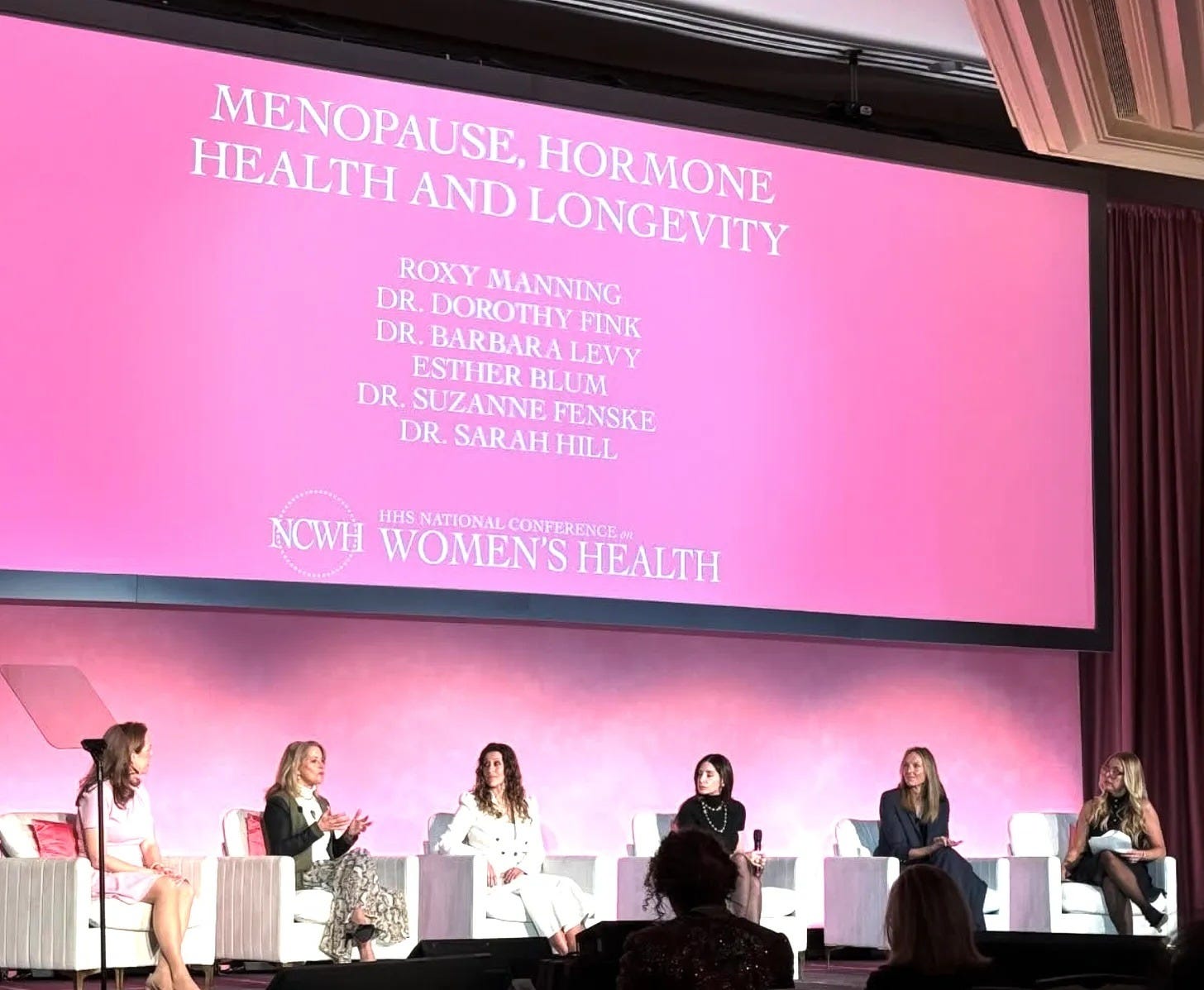
HHS convened a three-day conference devoted to women’s health - not abortion or other culture-war politics, but the physical and mental health of women across the lifespan. The agenda included:
Menopause and the lying liars who harmed our mothers
Bone health and the underprescription malpractice
Mental health and the calamity caused by SSRIs (taken by a quarter of all women)
Autoimmune disease decimating young women
Metabolic dysfunction and cardiovascular risk in women that has made our population literally unrecognizable physically from our ancestors
Infertility and the miracles that can heal (not just work around) it.
Abortion wasn’t the organizing theme.
For anyone familiar with Washington health policy, that alone was remarkable.
The atmosphere was equally unusual. If you’ve spent enough time in Washington policy circles, you develop a finely tuned radar for hierarchy. You know instantly who the Important People are supposed to be. You know who gets fawned over, who gets ignored, and who everyone is supposed to pretend is brilliant.
Government officials are walled off in green rooms - with their staff making themselves invisible - until they give their keynotes. Researchers sit on panels on the dais, boring everyone to tears. Activists sit in the audience, desperate for anyone to acknowledge the cause they’re living and dying for. Administration loyalists are invited to fill the seats and clap like seals. Everything is choreographed and segregated.
That dynamic simply wasn’t present.
Senior government officials mingled easily with scientists and clinicians. Younger researchers spoke comfortably with policymakers. Activists were honored and included on the panels. Even lifelong staffers got their own panel. Conversations moved freely across institutional lines. Partisan jerseys were left at the door. Nobody was treated like a celebrity. Nobody was treated like a nobody.
It felt like a real scientific meeting.
And credit where it’s due: this HHS deserves recognition for convening it. The event was collaborative, intellectually curious, and refreshingly free of the ideological scripts and formulas that usually dominate these types of events.
I’ll admit something embarrassing - standing there among them, I felt a little out of place. I was the only one bringing grizzled, jaded, seen-it-all, cynicism to the room, searching for the things that would no doubt annoy me. But all the smiles and breaths of fresh air hammered chinks into my usual armor.
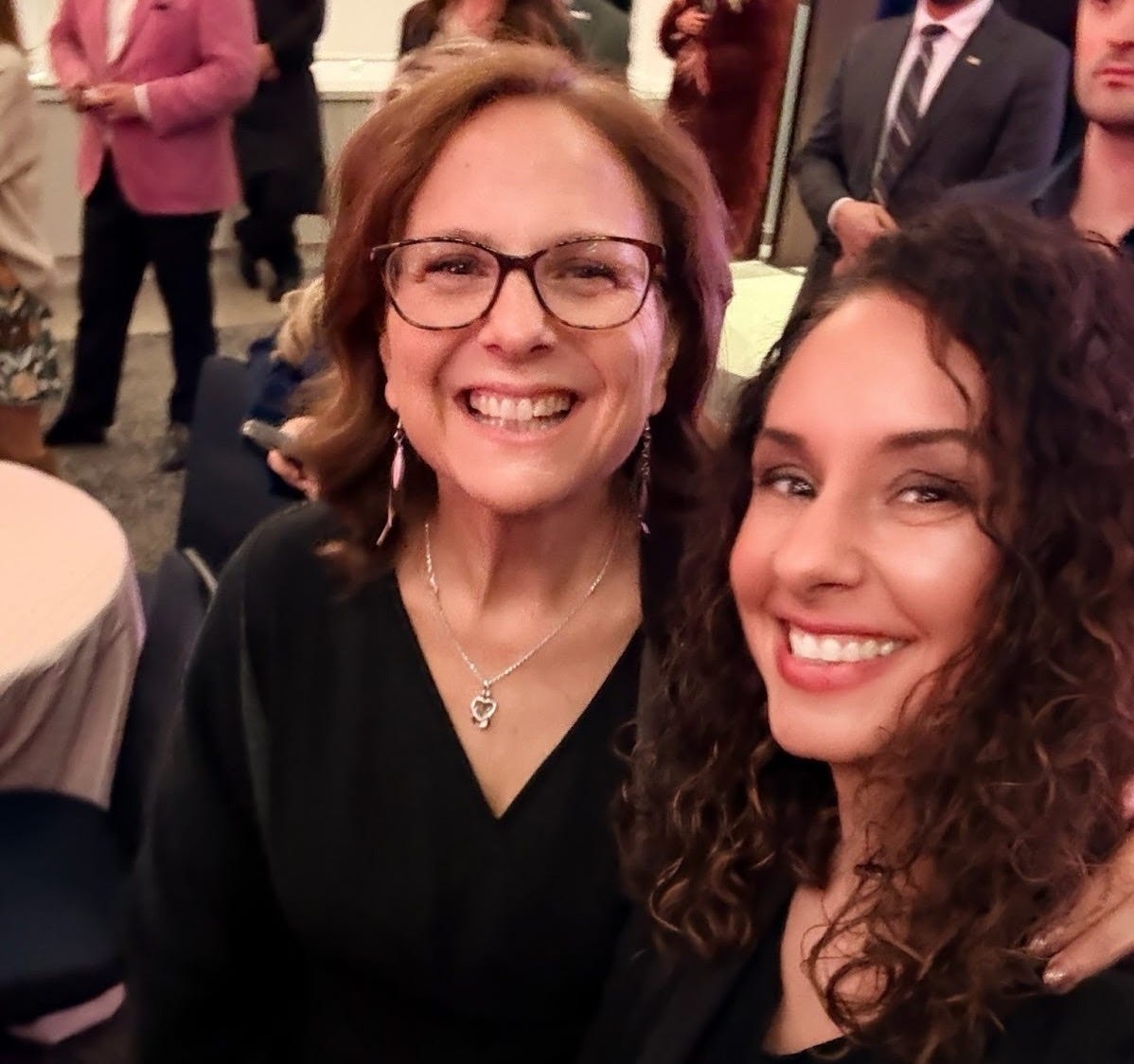
What struck me most was the tone of the scientists themselves. Many of them have spent years studying aspects of womanhood that are paramount priorities in the lives of half the population (and the other half who love them), but have historically received little funding or attention. They were literally sparkling with enthusiasm, earnest in their optimism, grateful to be invited and consulted, impressed by all the other attendees, collaborative and eager to connect with new allies, and humble about what we still don’t know.
That humility was striking.
Because the medical profession has not always been known for it. Medical students get about five minutes of epidemiology and then spend the rest of their careers talking down to patients about “The Science.” Their toolkit of drugs and cutting has such an abysmal record of healing and curing, you would think there would be more modesty and curiosity about what we’re missing.
The HRT debacle, now being righted, is a reminder of why curiosity matters. Because now that we’re no longer fighting about whether we need it, the more ominous and challenging question lurking of why so damned many of us need it, might get the next dose of desperately needed attention.
The answers to that question - how literally everything in our environment is novel in the human experience, and is destroying our health - will be uncomfortable and will require political courage like we’ve never seen. The conglomerated interests aligned against the policy solutions to these problems will be of epic proportions and, frankly, demonic power.
And who do demons fear the most?
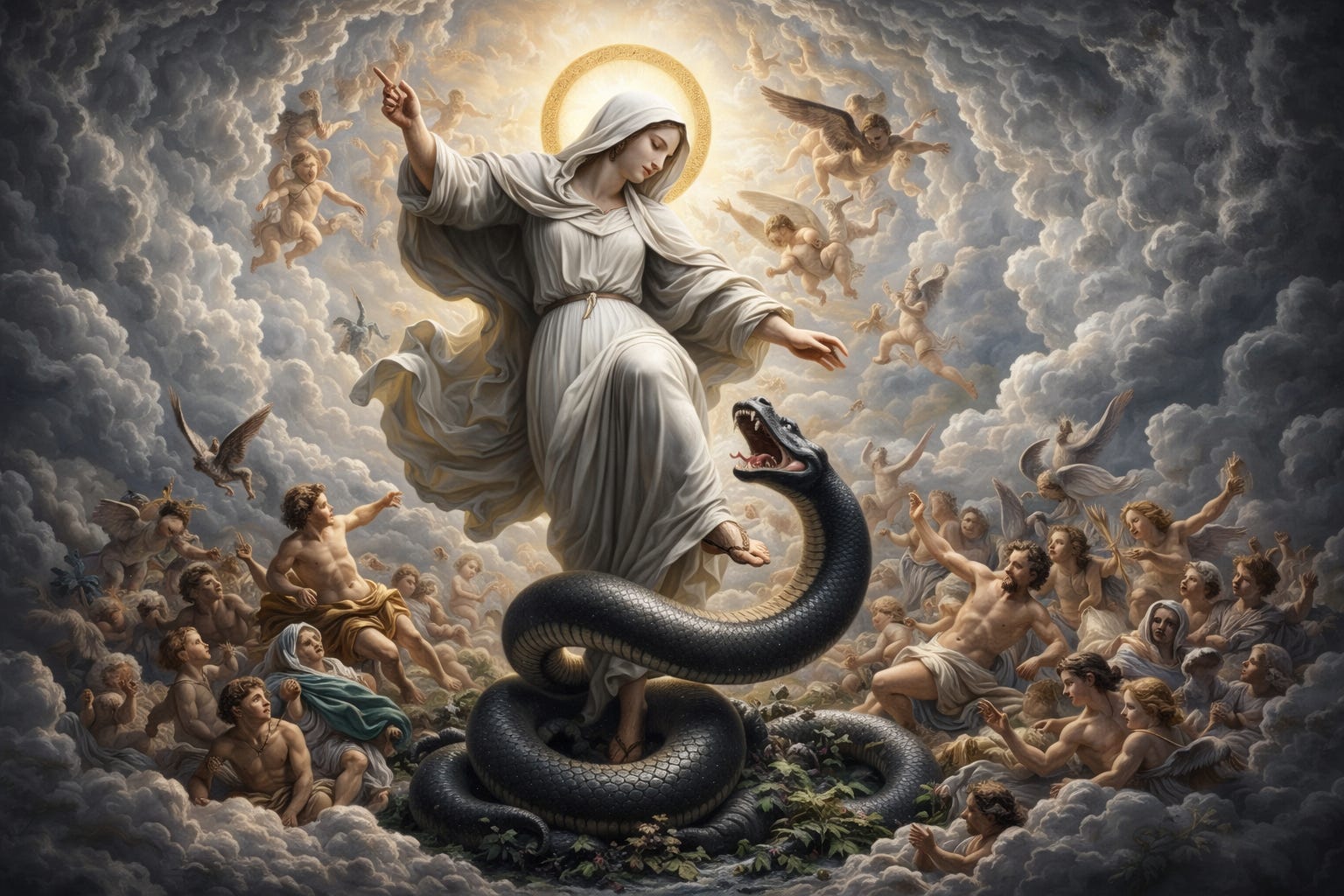
Yeah, HER. Maiden and Mother.
It will take a dedicated community of strong and righteous Wonder Women and Warrior Princesses to save the world.
Let’s get healing.
Well, I guess women are more than bags of skin with Lady parts? How nice of HHS to notice! In all seriousness, I am so pleased with the current trajectory for men’s and women’s health. I pray it continues.
So nice to see a refocus on men and women's health OVERALL instead of just more pharmaceutical research and politically divisive rhetoric. Thank you!