


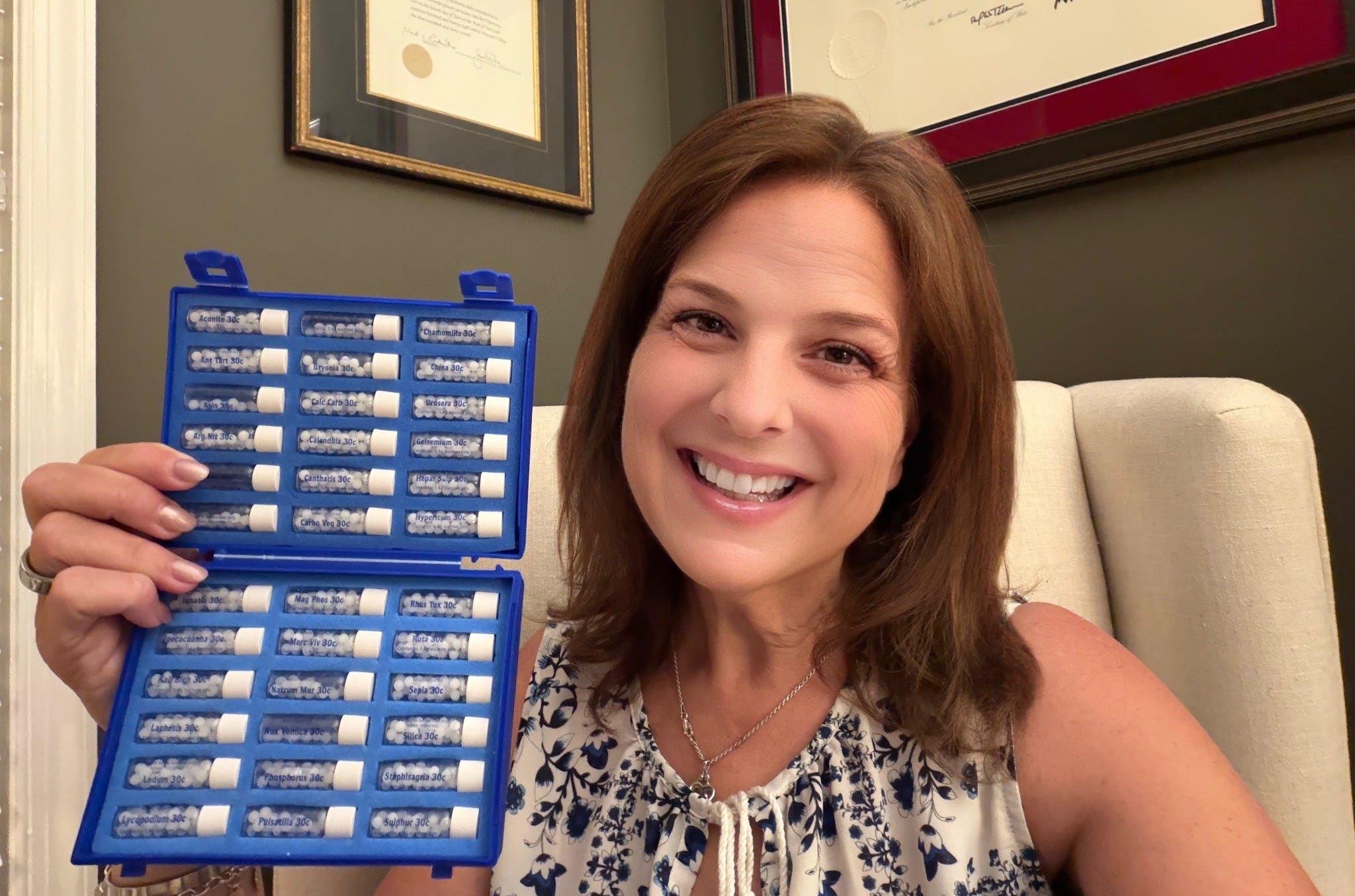
We recently observed World Homeopathy Awareness Week.
What the bleep is homeopathy, you ask? Good question.
It’s a wild, wonderful world of medicine that you’ve probably heard of, but never quite known what it is.
But before we get into what it is, let’s set the stage a bit.
Conventional medicine is based on the premise that our bodies respond best to biochemical inputs - drugs, food, mechanical intervention like surgery.
But you already know that there’s more to the story than that.
Conventional medicine sometimes admits it too - MRIs are based on identifying resonance patterns using big magnets on the body, for example.
Women’s menstrual cycles seem to sync up in ways that science hasn’t figured out.
Tuning forks interact with each other - strike one and an un-struck fork across the room will start to vibrate. Move the fork into the 6-foot energy field that surrounds a human, and the sound will actually change.
Water is one of the most responsive substances on earth to resonance and frequency. Play a tone next to water, and then examine it microscopically - the molecules have arranged themselves into amazing patterns.
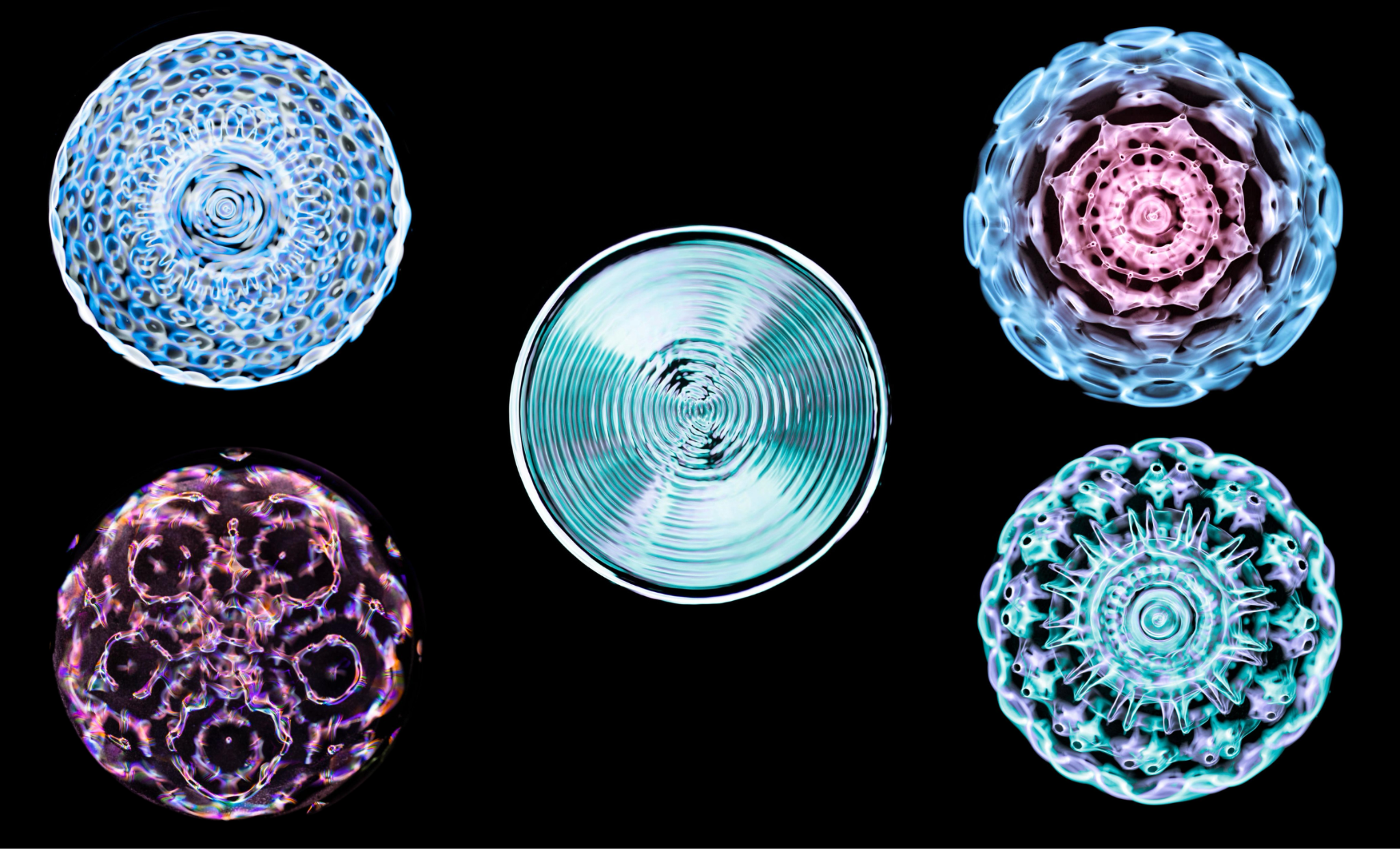
One of the most radical sciences being conducted today is the work of water researcher (and whisperer) Veda Austin.
She places petri dishes with thin layers of water on top of photographs or paper with words on them, or plays music for them, or even directs thoughts at them. And then she throws the petri dishes in the freezer “with the peas and carrots,” as she puts it. The water flash-freezes into designs that actually reflect - sometimes in creative and wild ways - the influence that was given. Sometimes the frozen design mimics the picture it was in contact with. Sometimes it answers a question. It’s wild. And thousands of people have been taught Veda’s technique and are replicating it around the world.

What does all this have to do with homeopathy?
To many people, the word “homeopathic” is simply a synonym for “holistic” or “natural” or “alternative,” as in - pursuing homeopathic care instead of or in addition to taking prescription drugs or getting surgery.
But homeopathy has a very specific meaning relating to a very specific scientific framework.
Homeopathy is the science of how the frequency, resonance, and energy of a thing interact with water, how the water takes on that energetic footprint and carries it into our bodies to address symptoms or conditions that are also caused by the thing.
More than two centuries ago, a German physician named Samuel Hahnemann (n. 1755) had grown increasingly unimpressed with the bloodletting and mercury poisoning that his profession called “treatment.” (Raise your hand if you can relate.) He began paying the bills by translating medical texts.
He was translating a book by William Cullen about cinchona bark (the source of quinine) and its usefulness for malaria. Cullen speculated its effectiveness was due to its bitterness and tonic effects on the stomach. Hahnemann didn’t buy it and decided to perform an experiment.
He took cinchona bark himself as a tincture - not in the form it was used as a medicine, but in high doses heated in alcohol the way tinctures are made. After a few days, he developed symptoms that were a lot like malaria: fever, chills, weakness, palpitations, throbbing headache. The symptoms came on in waves - similar to the cyclical waves of a malaria episode.
His imagination was sparked.
Hahnemann’s hypothesis was that “like cures like.” He speculated that substances that cause certain symptoms in large doses in healthy people are actually nature’s perfect remedy (in very small doses) for healing those symptoms in sick people.
He went on a frenzied bender to “prove” a bunch of remedies - systematically dosing himself and other healthy volunteers with every substance he could find. The volunteers would dose themselves with a form of the substance - powders, infusions (like tea), extracts and tinctures - and record exactly which symptoms developed. These detailed “symptom profiles” included not only physical ailments of the body, but emotional, psychological, and personality changes.
Once the symptom profile was developed, Hahnemann and his disciples started treating patients with similar profiles. The problem was that the patients’ symptoms often temporarily intensified. He took that to mean that the remedy was working, but too aggressively.
So he began diluting the substances in water and alcohol. He wasn’t trying to make the medicine weaker; he was trying to make it gentler. But he discovered something amazing - the medicines actually worked more effectively and more quickly - the more diluted they became, but without any of the harsher effects.
Each dilution was accompanied by vigorously shaking the container, or striking it, so as to get the substance’s essence into the water. Over time, this process rendered less and less of the measurable substance and more of the frequency or resonance of the substance in the water.
Hahnemann called this process “potentiation” - the idea that a substance’s energy or essence became more powerful the more it was diluted.
Carrying these liquid remedies had some practical distribution problems. The liquids were hard to dose properly, and each remedy had a bunch of different dilutions to be used based on the specifics of the patient’s case. Since each remedy had such a unique symptom profile, and there were hundreds of remedies, Hahnemann realized that carrying around a bunch of liquid jars didn’t make sense. They could easily degrade or break, and it just wasn’t practical.
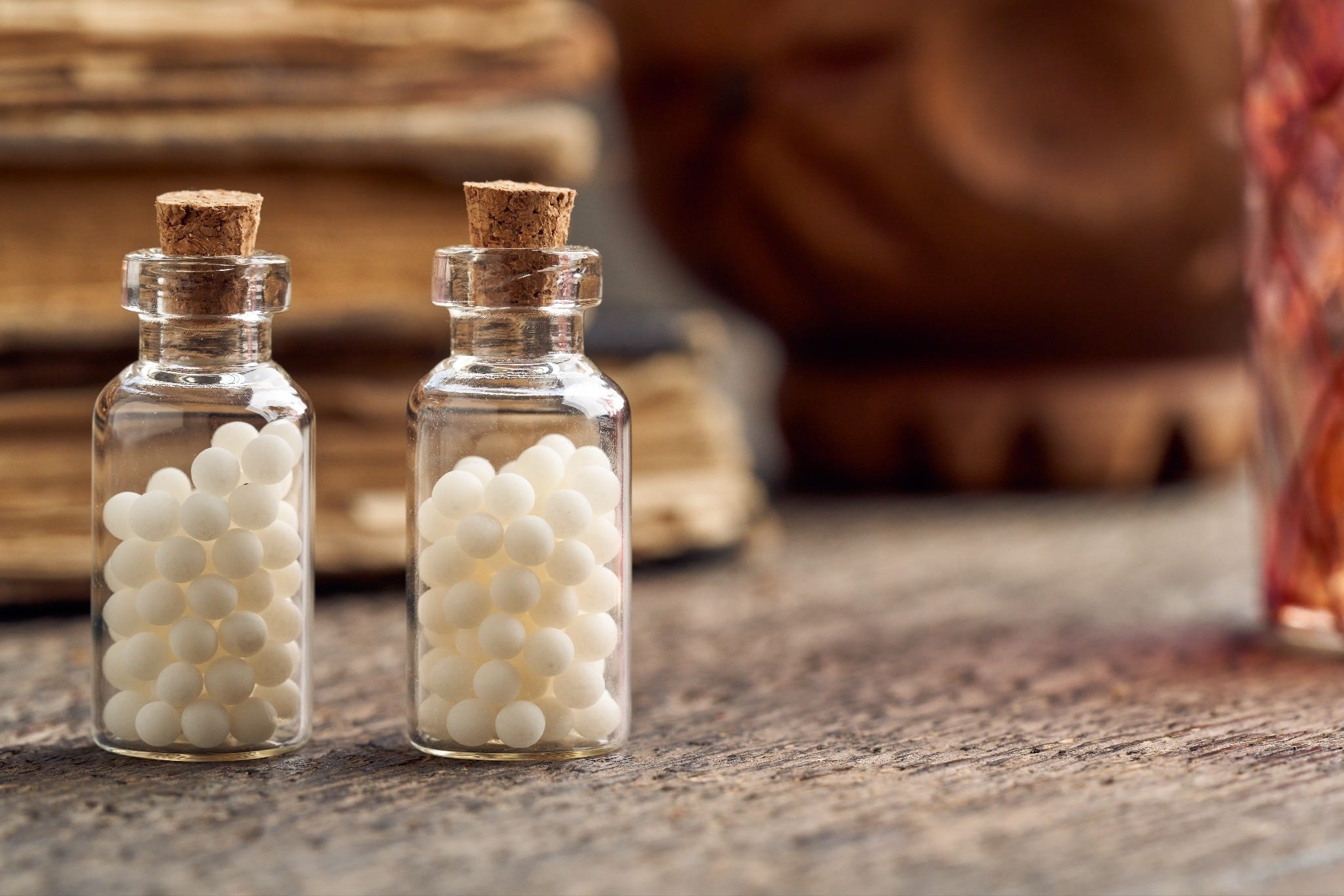
So he took the technique that was commonly used to deliver medicine at the time - sugar pills doused in a liquid medicine - and he used them for his own remedies.
He doused each pellet with the diluted remedy and, voila, he had little vials of dozens of doses that were much easier to schlep around.
The pellets were also much easier for the patients to take. They could put a few under the tongue until they dissolved, or crush them in a glass of water and drink a few sips.
Babies and toddlers, and even pets and livestock, could get the doses in their water or crushed over their food. Even crops riddled with pests or fungus could be treated by crushing the pellets into the water sprayed on them.
The name of Hahnemann’s framework was Greek for “similar” (homoios) and “suffering” (pathos) - based on the “like cures like” foundation. His disciples grew as the remedies’ undeniable success became more and more recognized. He published his first paper in 1796, and homeopathy spread to the elites of Europe at first, much preferred by patients to the brutal techniques of conventional medicine of their day (and our day too). Hahnemann eventually moved to Paris and gained broad acclaim in the early 19th century.
In the U.S., homeopathy was widely adopted during the same period, with the American Institute of Homeopathy - one of the first medical societies - founded in 1844. By the late 1800s, there were more than 20 homeopathic medical schools, over 100 homeopathic hospitals, and thousands of homeopathic practitioners.
Embraced by European royal families and the wealthiest American families, homeopathy enjoyed legitimacy and scientific credibility and, in many areas, the use of homeopathic medicine rivaled or even exceeded conventional medicine. Homeopaths were reported to have lowered mortality rates during outbreaks of cholera, yellow fever and typhus.
In other words, homeopathy wasn’t fringe, and it wasn’t “woo.” It was mainstream - a parallel medical system.
Until, of course, the same villain that went after naturopathy - the medicine of using natural methods (such as nutrition and herbs) to restore health - turned its sights on homeopathy: Big Oil.
The Rockefellers and Carnegies got together to fund medicines derived from petroleum byproducts, in league with Big Chemical, led by Bayer. Bayer was gearing up to marry the conglomerate that manufactured the gas for the Holocaust’s slaughter, but they also led the way at turning petroleum-based products into standardized “medicines” that could be patented.
(When I say “patent,” you say “profit.” Patent! PROFIT!)
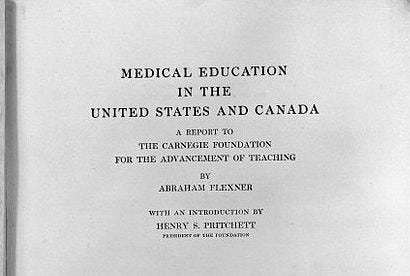
Many of these medicines were merely snake oil, and a good number of people were used to the more affordable homeopathic remedies and herbal naturopathic remedies, but nature can’t be patented as easily. So the Bigs put out the Flexner Report in 1910, which got wide acclaim for trashing all the medical schools where the curricula and treatments being taught weren’t “standardized” according to pharmaceutical and biomedical laboratory-grade standards endorsed by the Carnegie Foundation and funded by the Rockefellers.
They also funded what was then a small organization called the American Medical Association, and helped it grow and discredit all types of medical doctors and schools that didn’t follow the pharmaceutical model.
Within a few decades, most of the homeopathic and naturopathic medical schools had closed. Medical licensure boards emerged in states, using their power to discredit and muzzle these practitioners in favor of their white-coated, pharmaceutical-prescribing version of medicine that we all know so well today.
And yet. Even as homeopathy was pushed out of medical schools and hospitals, it never disappeared from law.
In 1938, the FDA’s founding legislation explicitly recognized the U.S. Homeopathic Pharmacopoeia - giving homeopathic remedies formal recognition in the U.S. regulatory system that still exists today.
(This is thanks to Senator Royal Copeland, a homeopathic physician, who fought to protect homeopathy from the pharma mafia. Wish he were still around today).
Around the world, homeopathy is the second largest medical system after conventional medicine. Countries such as India formally recognize homeopathy, and there are hundreds of homeopathic medical schools there and hundreds of thousands of practitioners. In the UK, homeopathy has been used by the royal family for generations, and it is still respected there, as well as in France and Germany.
If homeopathy were as irrelevant as its critics claim, it wouldn’t have survived for more than 200 years, spread across continents and embedded itself in national health care systems.
Homeopathy isn’t fringe - it’s global, and in some countries, it’s just called medicine.
So How Does It Work?
Typically, homeopathy is not looking to suppress symptoms. It views symptoms as your body’s effort to do something important. Fever is the body’s attempt to speed something up - metabolism, circulation, immune activity - and to restructure water molecules in your system. Inflammation is designed to create a watery environment - since healing often occurs in fluid environments - to summon the body’s tools of healing to the scene of the crime, and also to create an internal cast that cushions the injured tissue while it recovers. Pain protects that cast - by keeping you from moving it while it’s doing its job of healing.
Homeopaths will tell you that their job is to help your body move through that healing process, including any symptoms with more ease and speed than it otherwise would.
The remedies interact with what Hahnemann called the “vital force” - the dynamic intelligence that animates the body and coordinates its response to stress, injury, degradation, and threats. In today’s modern assault on all things human - our indoor, fluorescent-lit existence, low-grade (or not-so-low-grade) fight-or-flight, poisoned food and water, and disconnection from the sun, from the earth, from God and from our tribe - our vital force is often anemic at best.
Homeopathic remedies are designed to engage the vital force by exposing it to the energy or resonance of some unexpected substance that stirs it up and recruits it back into action of healing and maintaining homeostasis - the perfect balance of health.
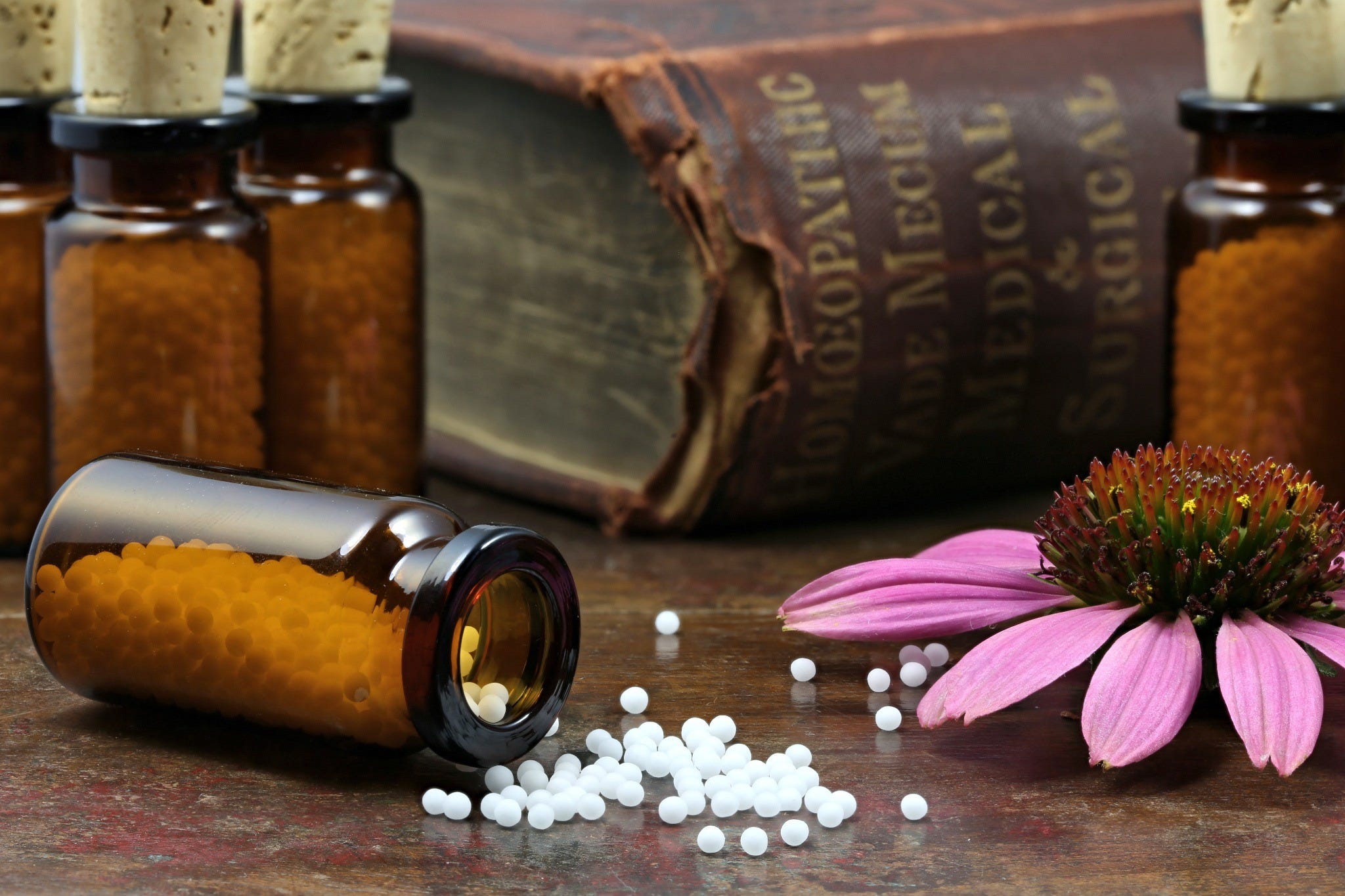
Testimonies abound of patients struggling with infertility, autism, eczema, snake bites, sprained ankles - and every other possible malady that nature contrives - being improved or mitigated under the influence of a homeopathic regimen. (NOTE: this is not medical advice, and the wonderful thing about homeopathy is that it doesn’t interfere with conventional medical care that you can obviously and many times should obviously seek as well).
The wild thing is that when a homeopath is called to the scene, very often, the remedy chosen first heals things that the body/soul/vital force actually considers more important than the symptoms that are annoying the patient.
My own story is similar - I engaged a homeopath to help with some minor but persistent symptoms, and it turned into a months-long series of remedies that unlocked massive healing of my wounded femininity (which I’ve written about quite a bit here and here), before ever getting around to the symptoms that started the process. My body-mind intelligence knew that was a far bigger priority, and it was right.
So Naturally, The FDA is Trying to Cancel Homeopathy
As I described above, homeopathy has technically been recognized in U.S. law since 1938, but in recent years, that protection has started to erode.
In 1988, FDA laid out a framework whereby it recognized homeopathic remedies as drugs that technically should go through the regular drug process (involving expensive safety and effectiveness trials and extensive FDA review and oversight), BUT that the agency would choose to exercise its enforcement discretion instead, and embrace a posture of non-enforcement. The guidance stated that the remedies could avoid enforcement if certain criteria were met - namely that they were listed in the U.S. Homeopathic Pharmacopoeia, they weren’t mislabeled, contaminated, and didn’t claim to heal serious conditions if sold over-the-counter.
This wasn’t perfect, but it was a reasonable stand-off. But then the Obama FDA, starting in 2015, held hearings about whether homeopathic remedies were “safe,” had sufficient “evidence,” and were labeled properly. By December of 2017, the Trump FDA - right under my nose as the White House policy lead for FDA - replaced the 1988 framework with a new regime.
I note for the record that I did not receive this guidance in draft form as part of a formal review process, and I damned well should have for such a significant policy change. More deep state shenanigans.
In any case, the 2017 draft guidance declared the remedies unapproved drugs, with a priority to go after and shut down those remedies that were targeted for serious conditions (like cancer), vulnerable populations like the elderly or infants (the ones most likely to benefit). In other words - the priority was the remedies that are most likely to interrupt Big Pharma’s profit drivers: blockbuster cancer drugs and the Medicare patient pool.
FDA finalized this guidance and withdrew the 1988 “safe harbor” policy in 2019 - after I had left the White House.
Advocacy groups like Americans for Homeopathy Choice argue that this new framework isn’t outright criminalization, but more of a slow squeeze. Because once you declare homeopathic remedies to be unapproved drugs requiring approval, then you’re forcing billion-dollar clinical trials for remedies that can’t be patented and barely make a profit.
I would argue that homeopathic remedies are still legal, ever since 1938. But now the FDA is going to decide if they’re “risky” and come after the ones they feel like coming after.
But let me point out the absolute farce:
There is no active ingredient left in most homeopathic remedies.
(Remember the dilution, and the shaking, and the dilution some more, and then more shaking, on and on until there’s only the “essence” of the thing and not the actual thing left in the water?)
So how can water with no active ingredient, dropped onto a sugar pill, be dangerous?
It can’t. This is why homeopathy is so safe for use. Pregnant women can use homeopathy. Newborn babies. People taking a bunch of prescription meds - water and sugar don’t interact with other drugs.
This has been the basis of FDA’s whining about labeling - they argue that any claim that there’s actually a substance in there is a lie. And that any claim that it treats a disease is therefore also a lie. Because it’s sugar and water.
So they can hardly then complain that these products are somehow “risky” at the same time.
FDA needs to pick a side - either these products have some active ingredient in them with a risk profile, which requires safety studies, or they don’t, which requires caution about marketing claims. But you can’t demand BOTH safety studies to prove the effectiveness of some active ingredient AND caution about marketing claims because there’s no active ingredient.
The truth is, at most potencies that are used, such as 12C, 30C or 100C, the dilution is past what’s known as Avogadro’s number, 6 x 10²³, which is the threshold dilution of a substance after which there is considered to be unmeasurable/untraceable substance left. For lower-level potencies such as 1X (where the substance is 1/10th of the liquid) or perhaps even 10X (where it’s 1 part per ten billion), I might understand a risk-based approach. But most homeopaths are using the C remedies or even greater dilutions, and the over-the-counter, first-aid type remedies are almost always those levels. So maybe FDA just needs to wake up and put the kibosh on the deep state.

If you’ve made it this far, you might see that homeopathy is not what most people think it is. And you might be asking yourself: why have I never heard any of this before?
Because once you start to understand how homeopathy works - and even more importantly, how to use it - it’s glaringly obvious how incomplete our current model of health really is.
And more than that, you step into a completely different relationship with your body, your health, and your family’s care. One that is less dependent, less reactive, and far more intuitive and self-directed.
Behind this paywall, I’m going to show you what that looks like in practice - how to find a homeopath, what happens in a session, how remedies are chosen, what the course of treatment generally involves, and how to begin using homeopathy yourself for first aid and everyday situations. I’ll also walk you through how to get involved in protecting access to this kind of care, starting with supporting Americans for Homeopathy Choice.
Nobody is coming to save your health.
Paid subscribers get the play-by-play for how to incorporate the hidden treasure of homeopathy into your life, and use it to take back your health - and your family’s - from the people who were never going to fix it for you.
Let’s get down to brass tacks.
